

临床一线
World’s First Remote Robot-Assisted Transvesical Radical Prostatectomy Successfully Completed
When surgery is no longer confined to the same operating room, and when the lead surgeon and the patient can be thousands of miles apart—how are safety and precision be guaranteed? In early July 2026, the AGIBOT Telesurgery System completed three remote surgeries across a distance of over 1,100 kilometers within just two days, providing a definitive answer through comprehensive clinical validation.
On July 2, Professor Ai Xing performed a successful remote radical prostatectomy on a patient in Yichang from Beijing using the AGIBOT Telesurgery System, completing system verification prior to the conference demonstration. This procedure marked the first remote robotic radical prostatectomy in southwestern Hubei. On July 3, at the 9th Minimally Invasive Operation Technology Exchange Conference, Agibot Medtech (Suzhou) Co., Ltd (AGIBOT) served as the core surgical technology support partner, publicly unveiling its fully self-developed telesurgery system and completing the first-ever live real-time demonstration of two remote robot-assisted urological surgeries during the conference.
The two high-difficulty surgeries were performed across a distance of over 1,100 kilometers, respectively between Beijing and Suzhou, and Beijing and Yichang. Notably, the "remote robot-assisted transvesical radical prostatectomy" performed by Professor Wang Gongxian was a world first; the other procedure, a remote robot-assisted partial nephrectomy performed by Professor Ai Xing, simultaneously validated the versatility of the AGIBOT Telesurgery System across multiple surgical techniques. Powered by the AGIBOT Telesurgery System, the master-slave control achieved millisecond-level response, real-time transmission of 4K 3D ultra-high-definition images, and end-to-end latency consistently controlled within 30ms across the nationwide network. Both surgeries were successfully completed.
Dual Surgery Demonstration: AGIBOT Telesurgery System Showcases Core Strengths and Capabilities
Remote Radical Prostatectomy:
Balancing Tumor Excision and Postoperative Functional Preservation
As a pioneer in urological robot-assisted surgery in China, Professor Wang performed the first robotic radical prostatectomy in Jiangxi Province in 2014. Over the past decade, the transvesical surgical approach pioneered by his team has accumulated abundant clinical data and gained wide clinical recognition. This time, he once again pushed the technological boundary by deeply integrating this approach with AGIBOT Telesurgery System, completing the world’s first remote robot-assisted radical prostatectomy via the transvesical approach. This operation not only reaffirmed the feasibility of AGIBOT Telesurgery System for cross-regional urological surgery but also provided a practical model for remote surgical treatment of complex urological tumors.
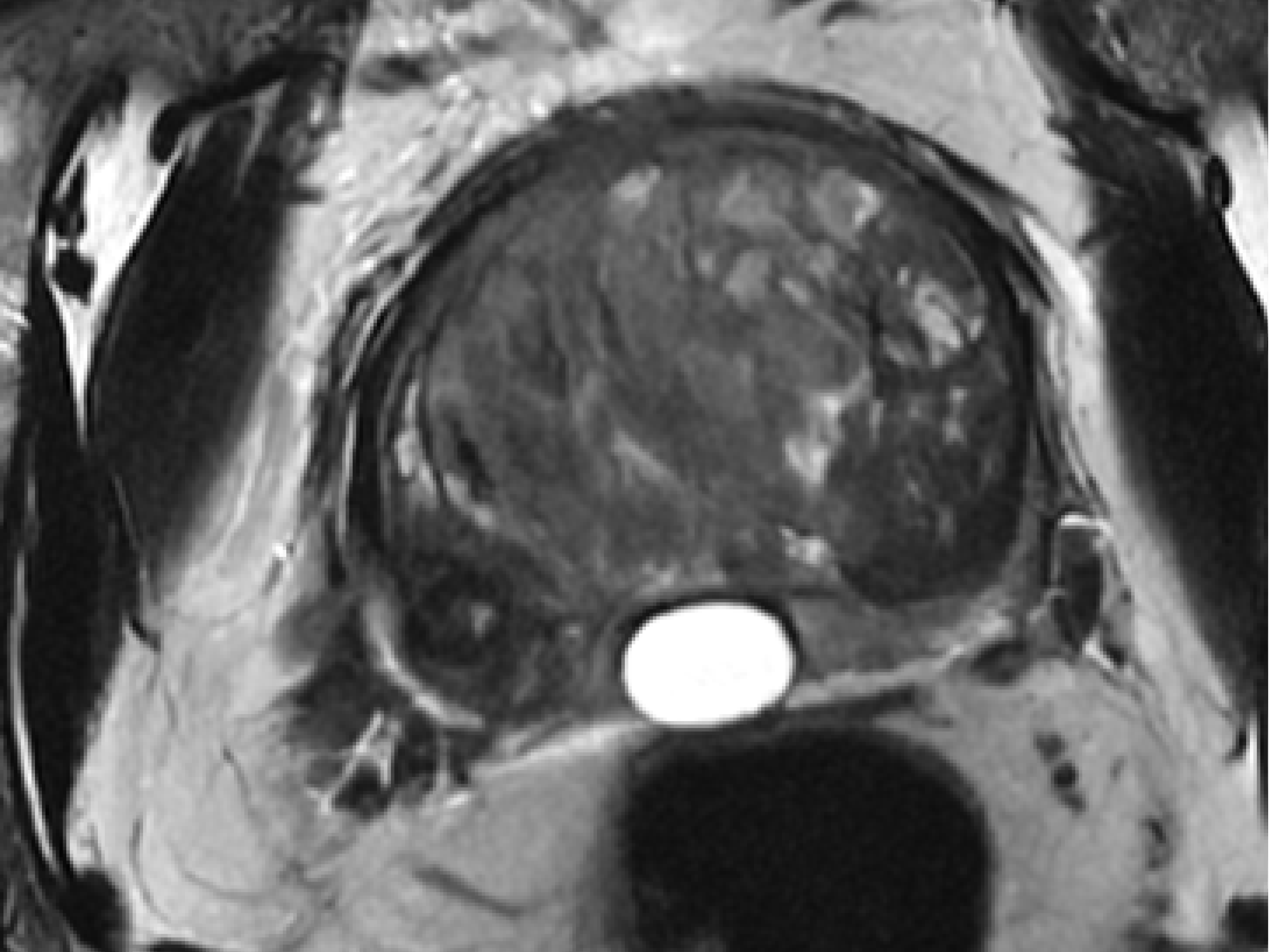
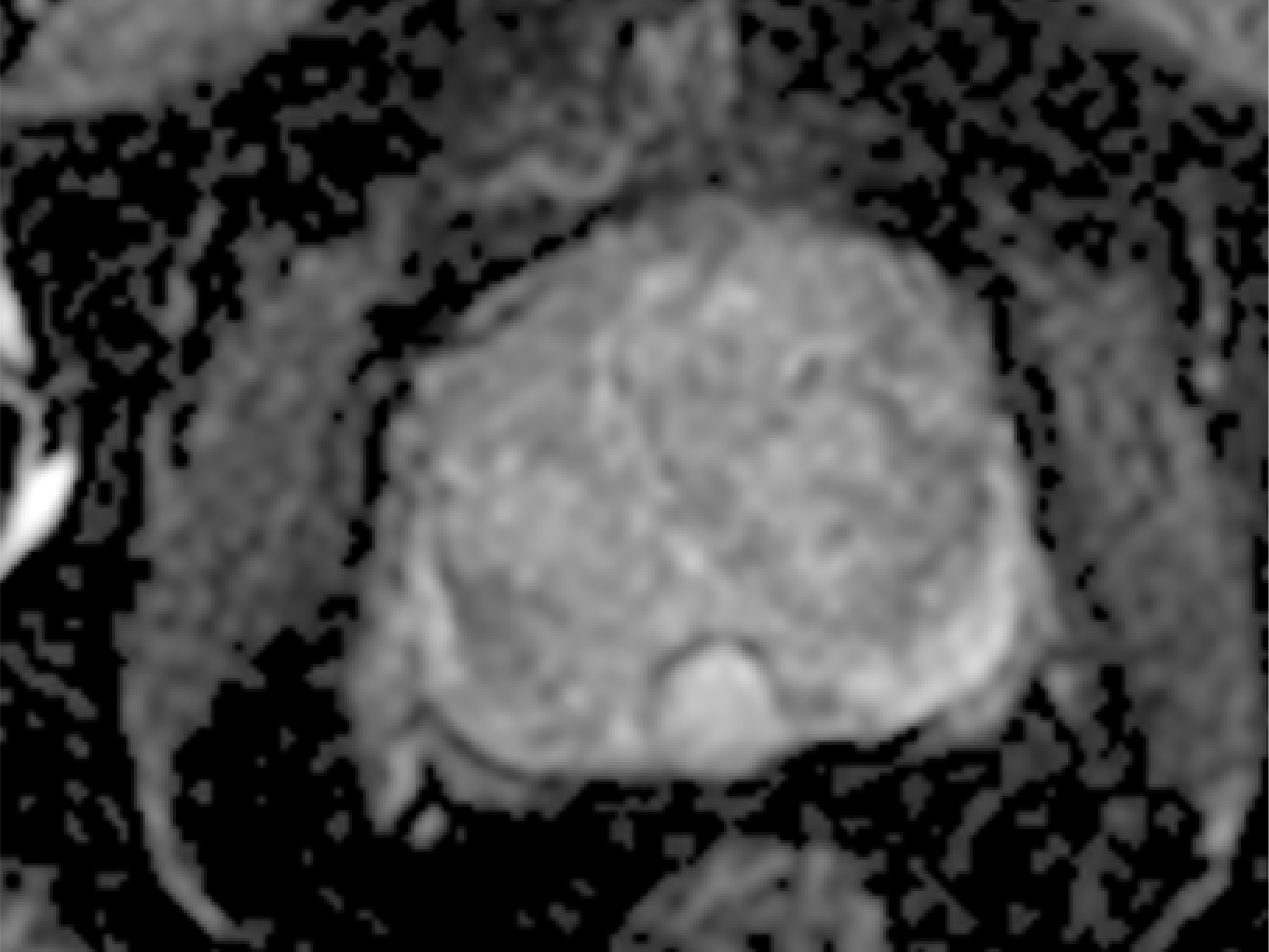
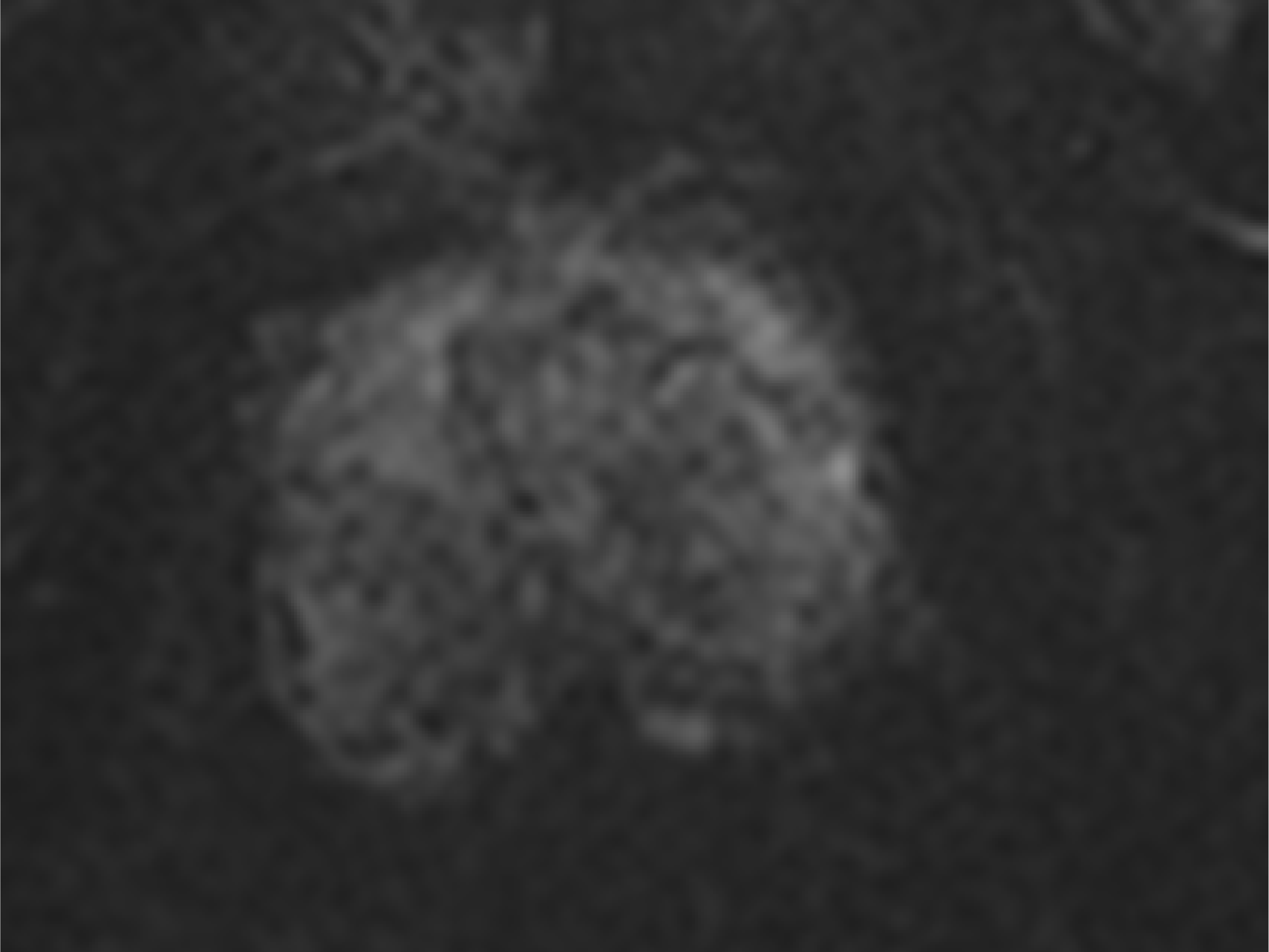
MRI:56×44×54mm(70mL),PI-RADS 3
At 10:00 a.m., at the Third Medical Center of Chinese PLA General Hospital in Beijing, Professor Wang operated the robotic surgical platform at the First Affiliated Hospital of Soochow University via AGIBOT surgeon console, collaborating with Professor Huang Yuhua’s team to perform surgery on a patient in Suzhou. The patient had a PSA of 9 ng/mL, a prostate volume of 70 mL, PI-RADS score of 3, and was diagnosed with prostatic acinar adenocarcinoma by biopsy(cT1cN0M0), Gleason 3+3=6 (ISUP Grade Group 1).
During the procedure, Professor Wang used AGIBOT Endoscopic Surgical System’s 4K 3D ultra-high-definition stereoscopic imaging to identify fine anatomical layers,fully exposed key structures. In the Suzhou operating room, 1,100 km away, the patient-side robotic arms responded synchronously to every command from the surgeon console, with end-to-end latency stably controlled within 30 ms.
Dissection, traction, and suturing were performed without lag.Whilst the prostate and seminal vesicles were completely excised and the pelvic floor support structures and neurovascular bundles were carefully preserved, bleeding in the surgical field was minimal. Professor Wang praised: “AGIBOT’s surgical instruments deliver reliable hemostasis, keeping intraoperative bleeding at an ideal level and maintaining a clear surgical field, creates optimal conditions for delicate manipulations.”
After the surgery, Professor Wang summarized: "Performing surgery with AGIBOT Telesurgery System—I felt no latency. The surgical images are clear, and the instrument handling felt exactly the same as on-site surgery. The interaction with the on-site team was very smooth. Despite a distance of over 1,000 km, it felt just like operating in the next-door OR. Moreover, successfully completing the procedure on such a large-volume prostate demonstrates the robust clinical capability of AGIBOT Telesurgery System."
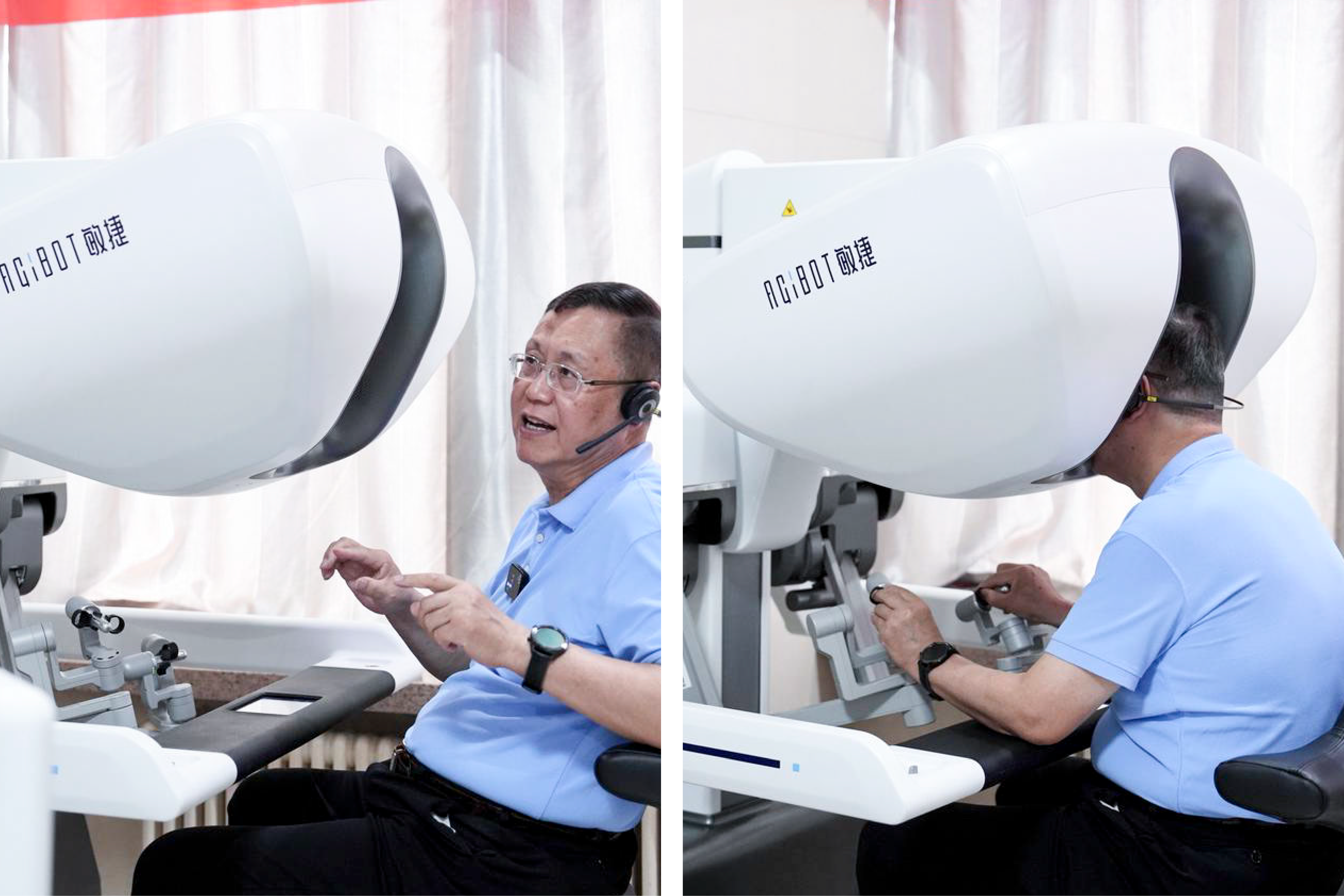
Professor Wang operated the AGIBOT system in Beijing.
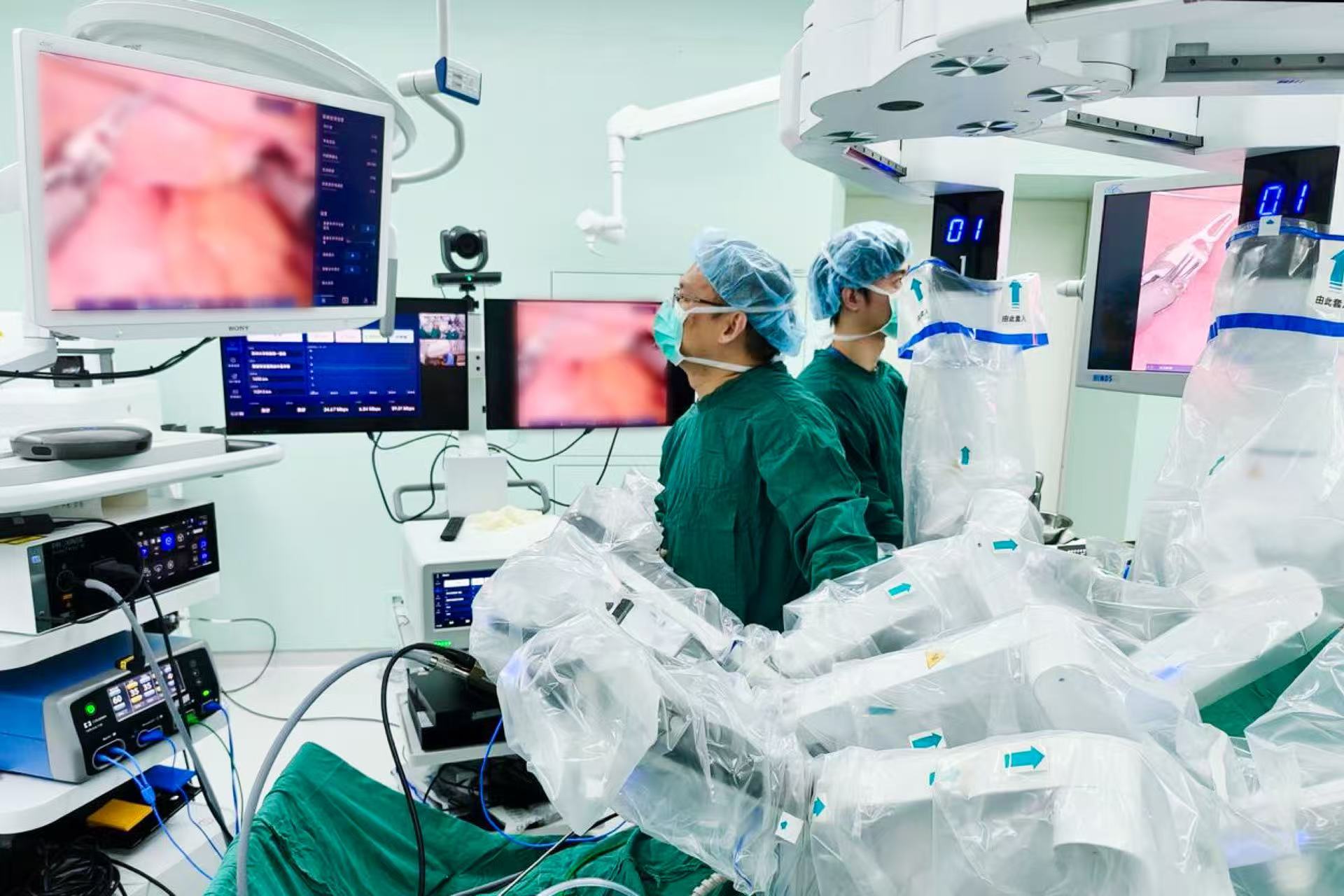
Footage from the local slave side in the operating room at the First Affiliated Hospital of Soochow University.
Remote Partial Nephrectomy:
The Dual Challenge of Warm Ischemia Time and Narrow Renal Hilum
Professor Ai Xing from the Seventh Medical Center of Chinese PLA General Hospital, in collaboration with Professor Zhang Ping’s team at Yichang Central People’s Hospital, carried out a challenging remote robotic partial nephrectomy, fully demonstrating AGIBOT Telesurgery System’s outstanding performance in extreme clinical scenarios involving time constraints and confined spaces.
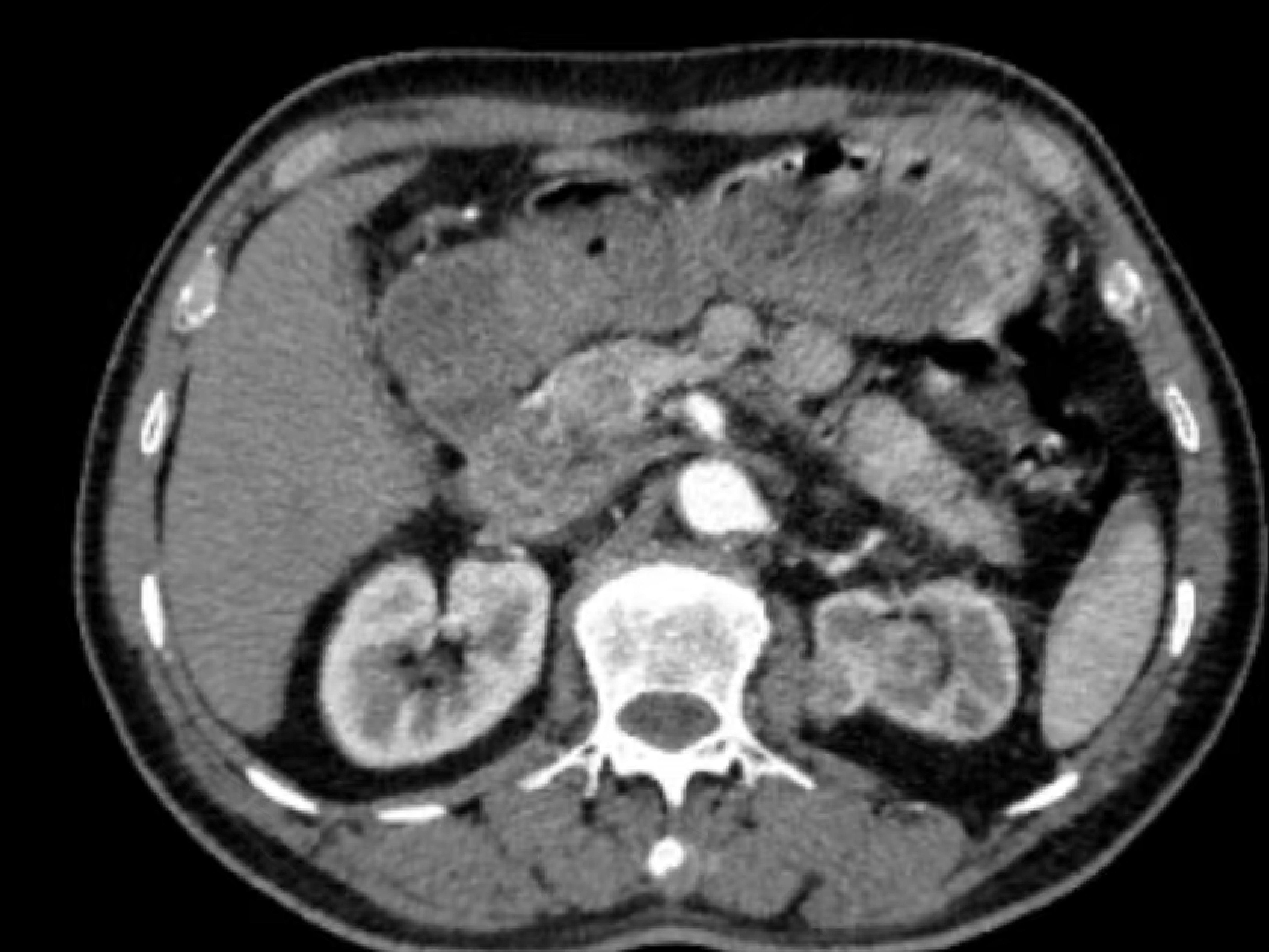
The patient was diagnosed with a dorsal upper-pole renal tumor staged cT1N0M0. The tumour exhibited a mixed deep-superficial growth pattern and was deeply situated, adjacent to the renal hilum vessels, leaving an extremely narrow operative space.Compared with delicate pelvic surgery, partial nephrectomy presents two key challenges: stringent limits on warm ischemia time (WIT) and delicate dissection within narrow renal hilum.These challenges place the utmost demands on the robotic system’s operational precision and response speed.
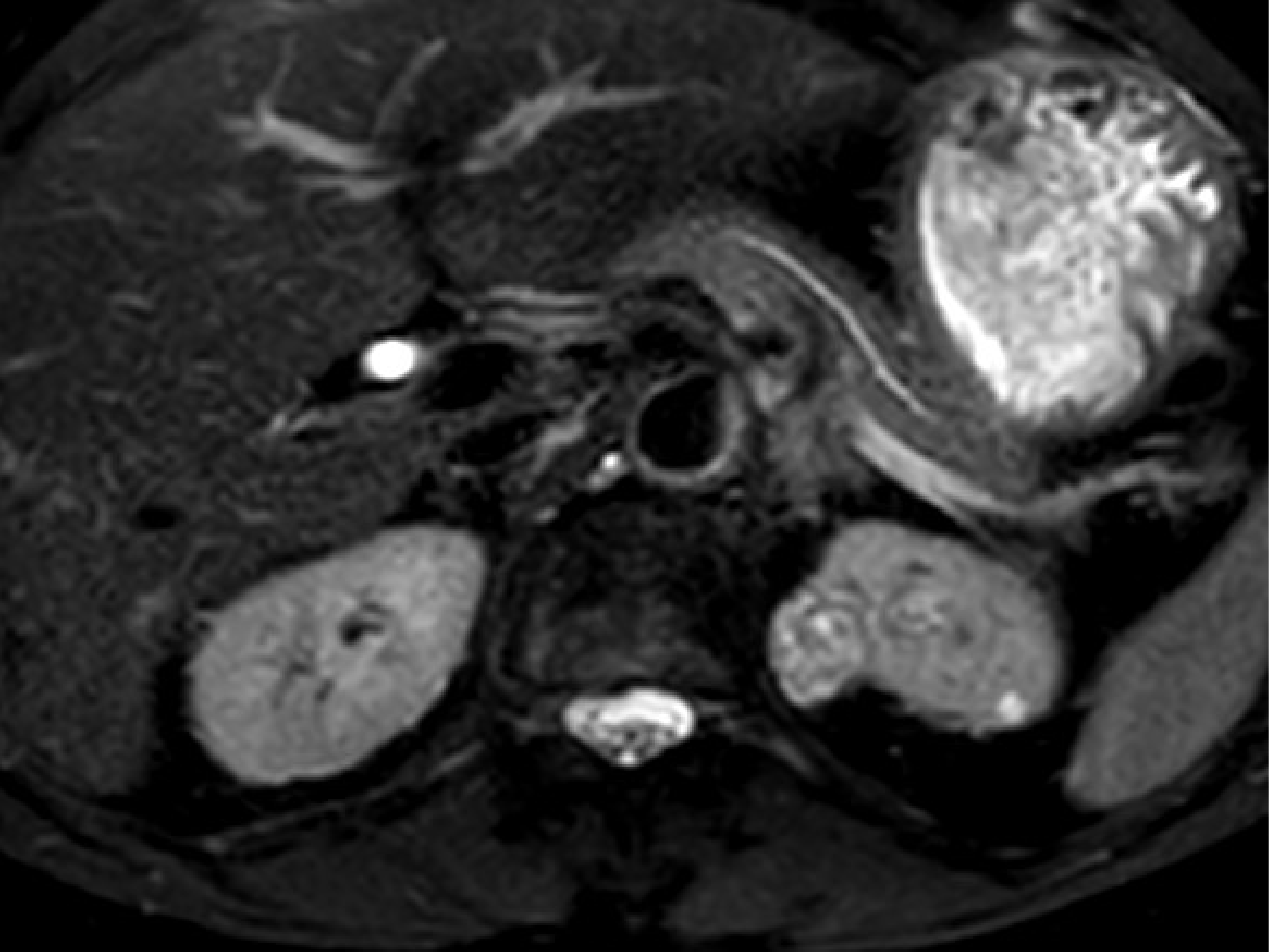
MR
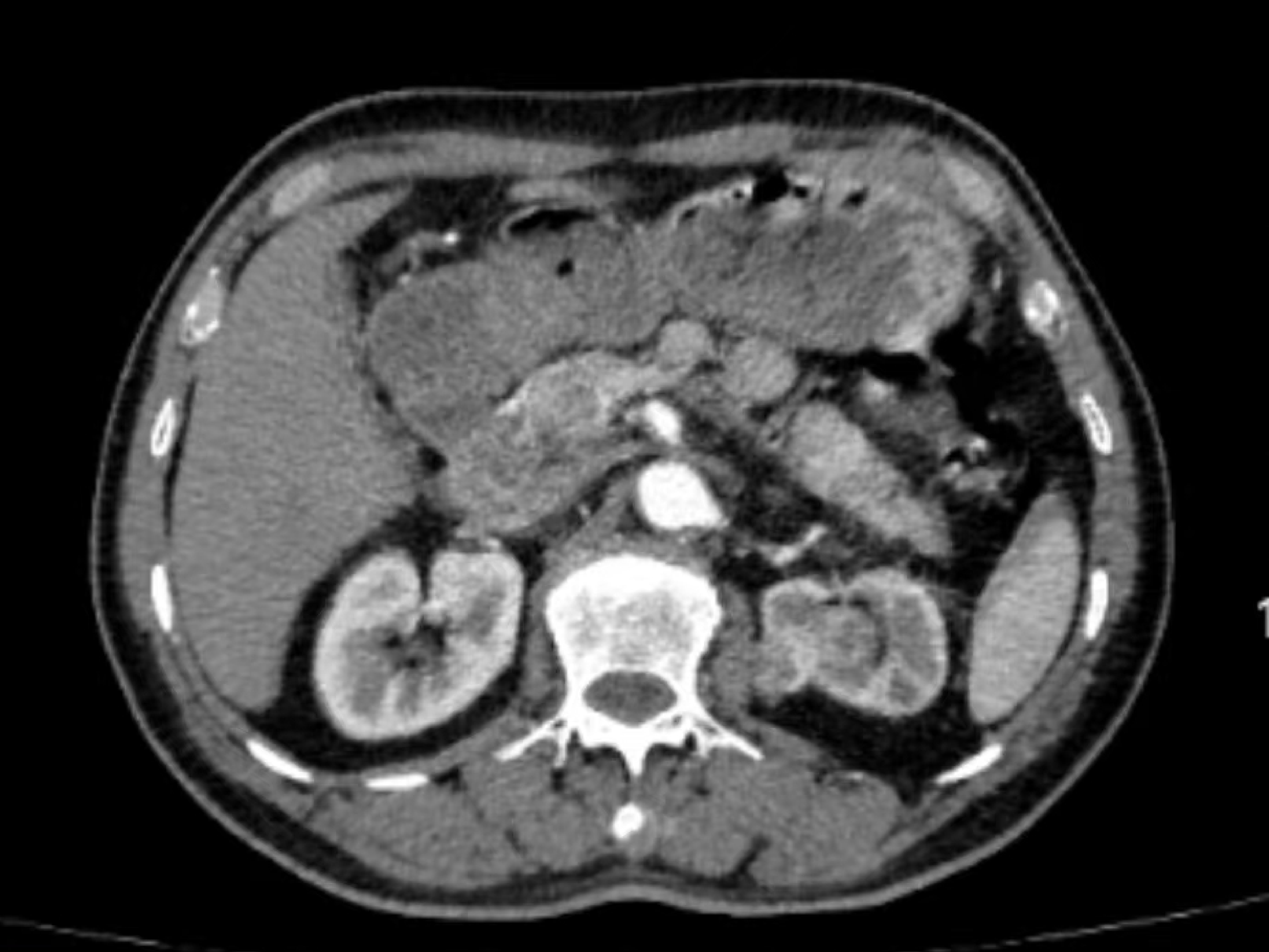
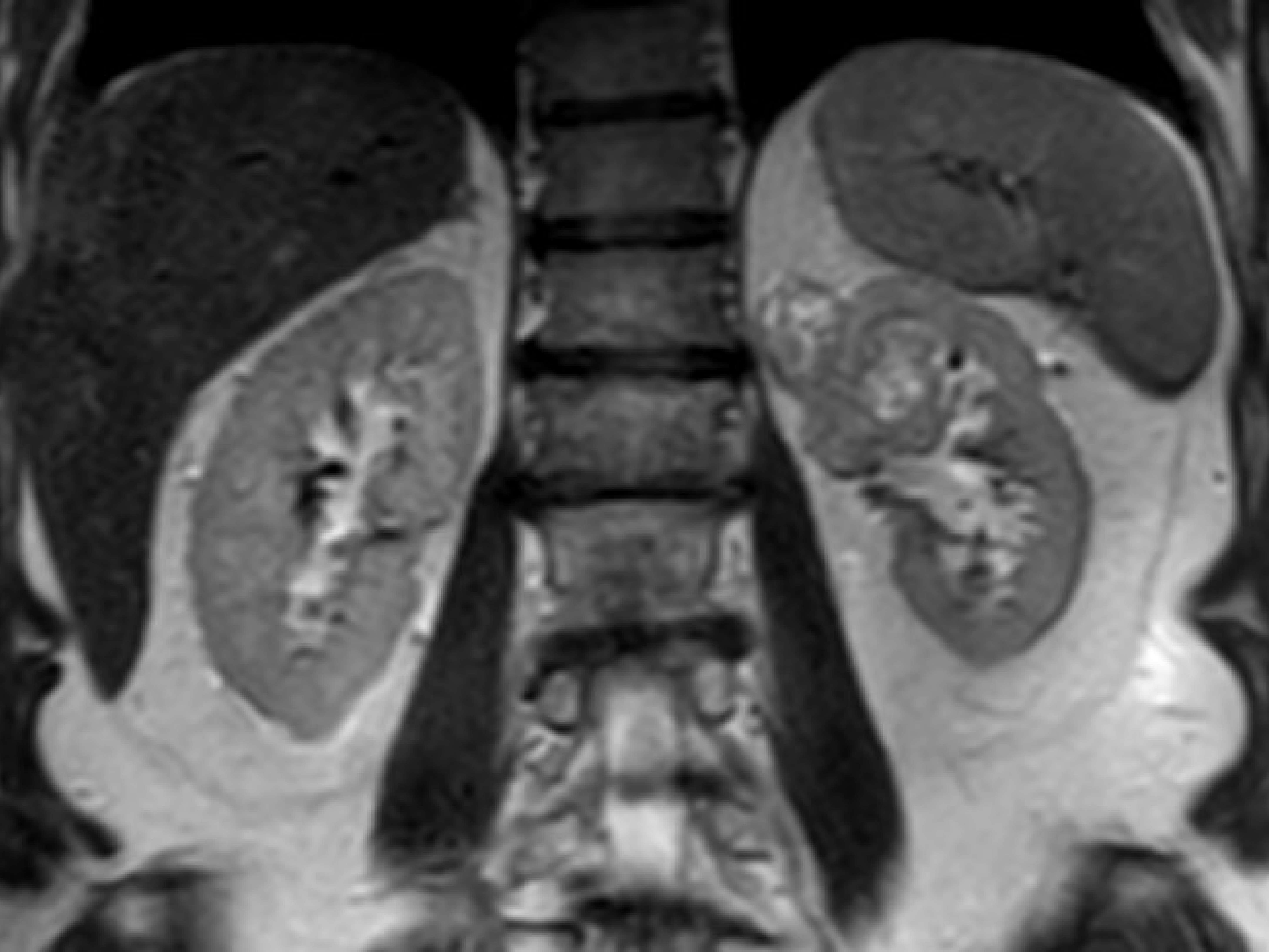
Bilateral contrast‑enhanced CT: The tumor shows significant enhancement; no renal vein tumor thrombus or signs of distant metastasis.
Using AGIBOT, Professor Ai precisely delineated the tumor margins. Equipped with 7-DoF surgical instruments, the system enabled extracapsular enucleation of the tumor within the confined perirenal space, completing resection within the safe WIT window. AGIBOT Telesurgery System provided real-time transmission of ultra‑high‑definition 3D images with exceptional clarity and distinct tissue layering.Professor Ai repeatedly praised, "The visual quality is superb—it’s impossible to tell this is a remote surgery."
A spatial distance of over 1,300 kilometres has been bridged by the AGIBOT Telesurgery System, resulting in imperceptible, instantaneous response between the surgeon console and the on-site surgical suite. Professor Ai remarked, “Not only does this system offer an impressive operating experience, but it also enables full interaction and communication between surgeons at the master and slave stations, ensuring smooth and efficient intraoperative collaboration that is both safe and reliable.”
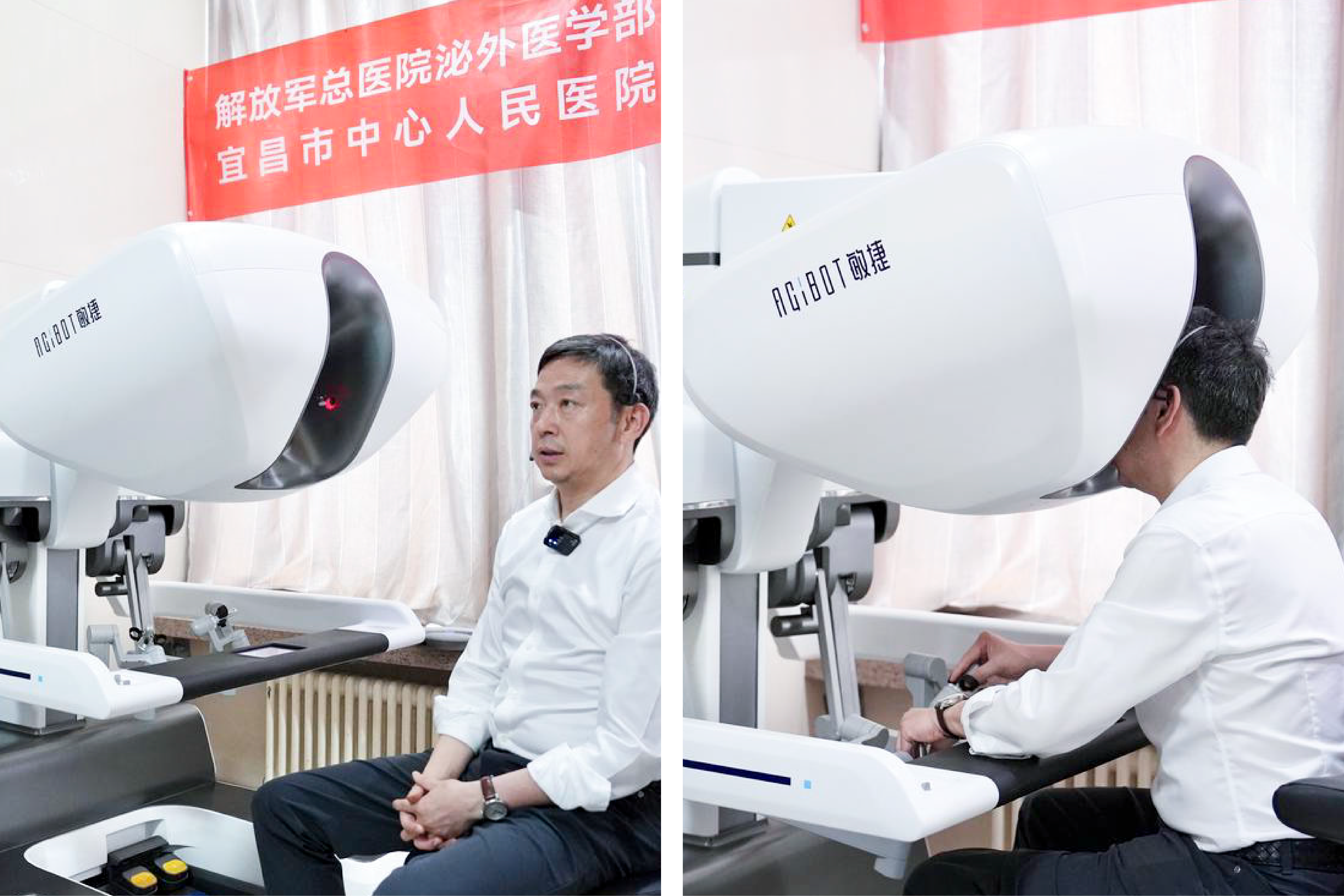
Professor Ai operated the AGIBOT system in Beijing.
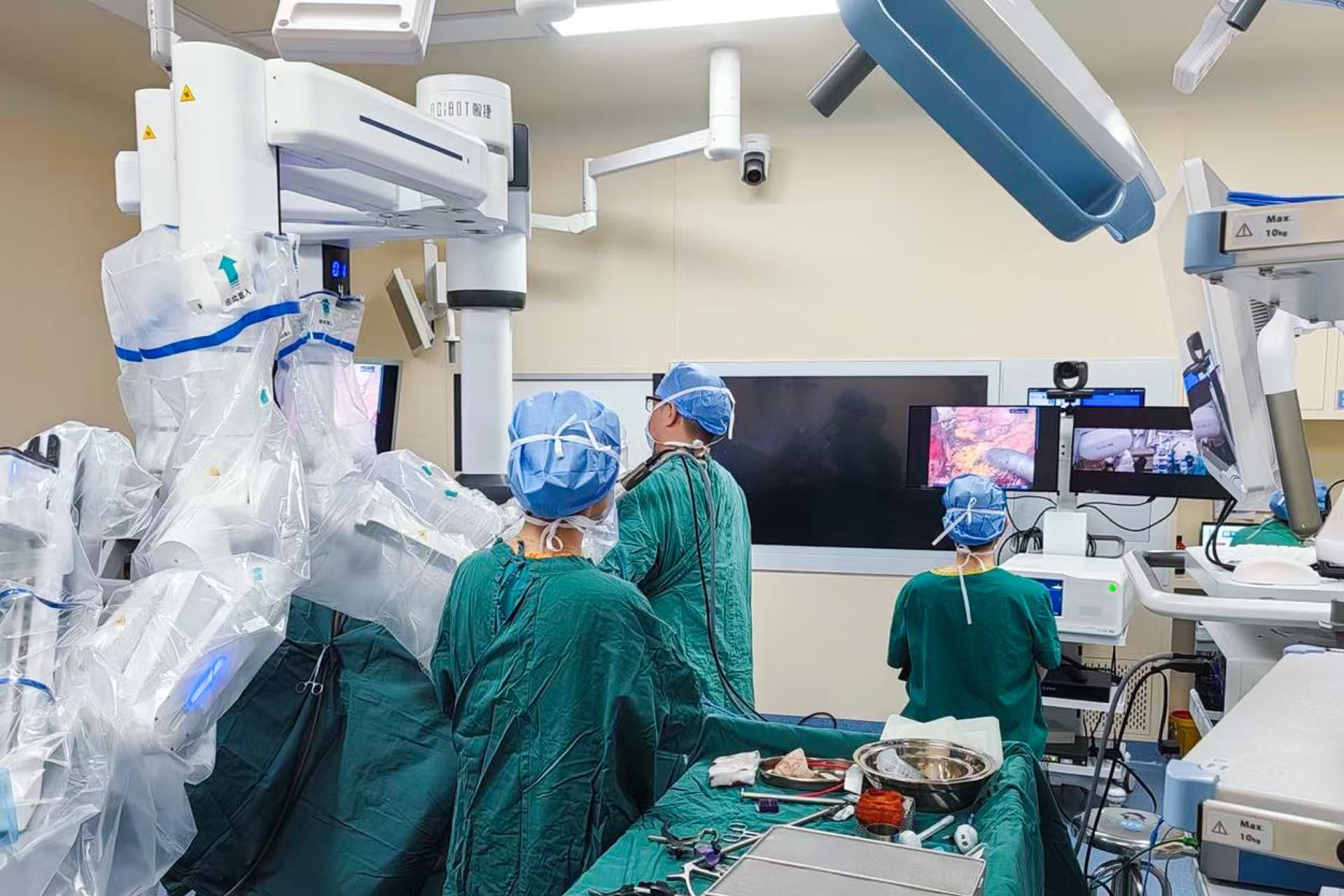
Footage from the local slave side in the operating room at Yichang Central People’s Hospital.
AGIBOT Continues to Drive the Dissemination of Remote Surgery
The successful completion of three high-difficulty remote surgeries in two days is underpinned by the robust, multi-dimensional self-developed technological advantages of the AGIBOT Telesurgery System:
Intraoperative Vision: The end-to-end 4K 3D imaging system between the master and slave sites restores true depth perception and tissue layers, making fine blood vessels and nerve pathways clearly distinguishable. The "picture-in-picture" multi-modal imaging function integrates ultrasound, CT, and other imaging data on a single screen, allowing the surgeon to obtain stereoscopic anatomical references without frequently shifting their gaze during the procedure.
Local Manipulation: The AGIBOT System's master controller arms, through a combination of lightweight structure and intelligent algorithms, translate the surgeon's natural hand movements into precise displacements of the instrument tips. Multi-scale motion scaling and tremor filtration mechanisms work in tandem to eliminate physiological hand tremors, enabling sub-millimeter level precise manipulation within narrow anatomical spaces. The adaptability of multiple types of surgical instruments allows the system to meet the differentiated requirements of various surgical specialties and techniques.
Remote Manipulation: The AGIBOT Telesurgery System, through deep optimization of its underlying control architecture, supports seamless switching between various communication methods, adapting to different network conditions across regions. Within China's nationwide network environment, it consistently maintains end-to-end transmission latency within 30ms—far below the human-perceptible threshold (approximately 100-150ms). Commands from the master console are instantly transmitted to the remote robotic arms, making operational feedback nearly imperceptible. In terms of safety, the system is equipped with a dual mechanism of "local-first" real-time status monitoring and emergency takeover. In the event of network fluctuations or signal degradation, the device can seamlessly switch to local master control mode, establishing a comprehensive safety loop throughout the surgical procedure.
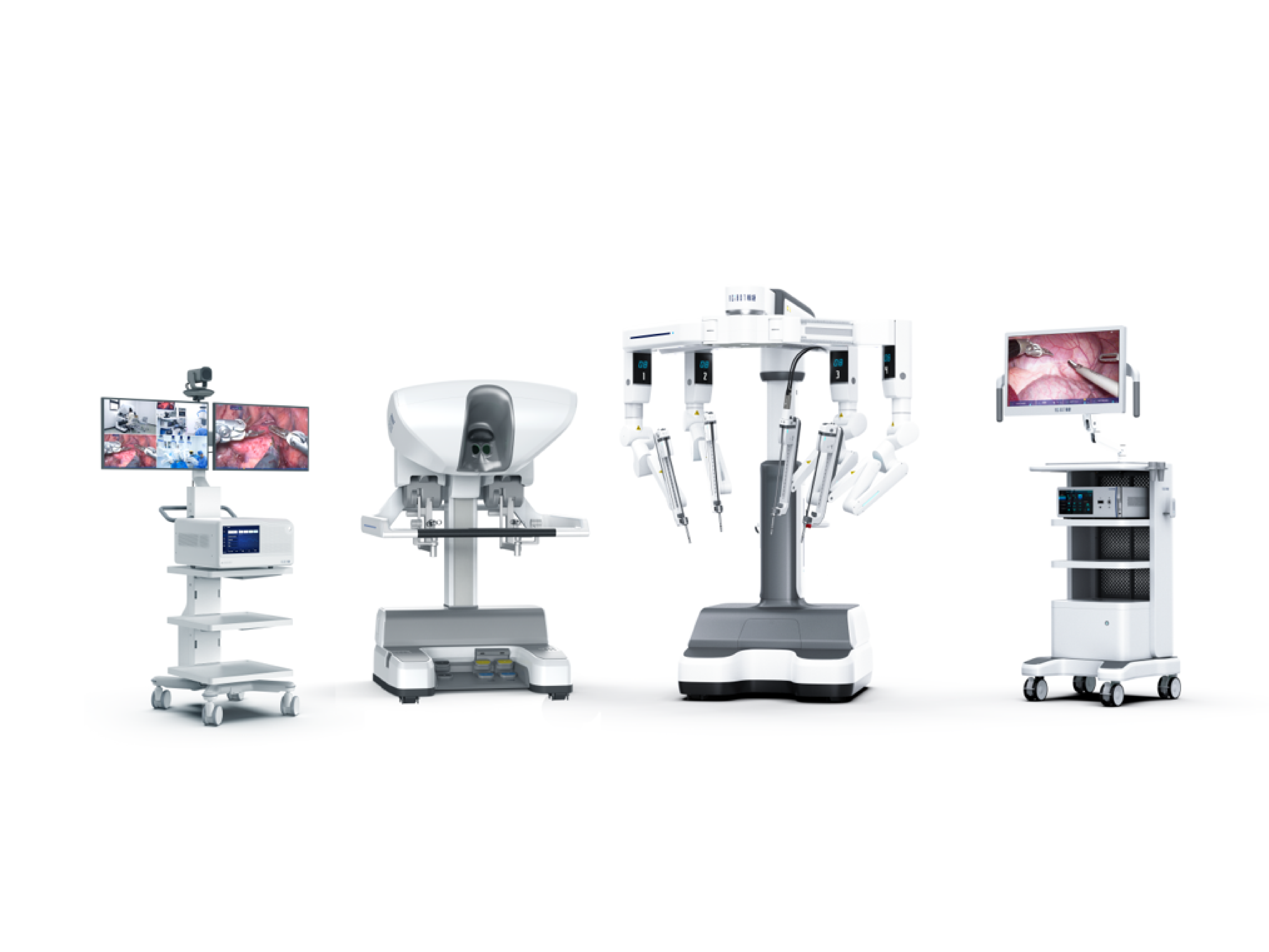
The successful application of the AGIBOT Telesurgery System at this conference validates the technological maturity of the domestically developed remote surgery solution in real, complex clinical scenarios.
In the next phase, AGIBOT will focus on two main directions: first, deepening clinical research collaborations with top-tier domestic medical institutions to promote the standardization of remote surgery across more surgical procedures; and second, continuously optimizing system adaptability and deployment processes at primary healthcare facilities to lower the barriers to technology adoption. When high-quality surgical resources can precisely reach patients across vast distances, the large-scale application of remote surgery is no longer just a concept—this is not only AGIBOT's technological response but also the inevitable path for domestically produced surgical robots to become mainstream in clinical practice.
2026.07.20